Sustainable Solutions: How E-Waste Recycling Services Are Saving Our Planet
E-waste represents a considerable hazard to the environment, as disposed electronics frequently harbor hazardous substances. These toxic materials have the potential to taint soil and water sources, causing extensive damage to surrounding ecosystems. E-waste recycling services present a viable solution. They successfully retrieve useful resources while simultaneously minimizing environmental pollution. Gaining insight into how these programs function and affect local communities is critical. Pursuing efficient e-waste management brings forth pressing questions regarding individual duties and shared responsibility. What steps can be taken next?
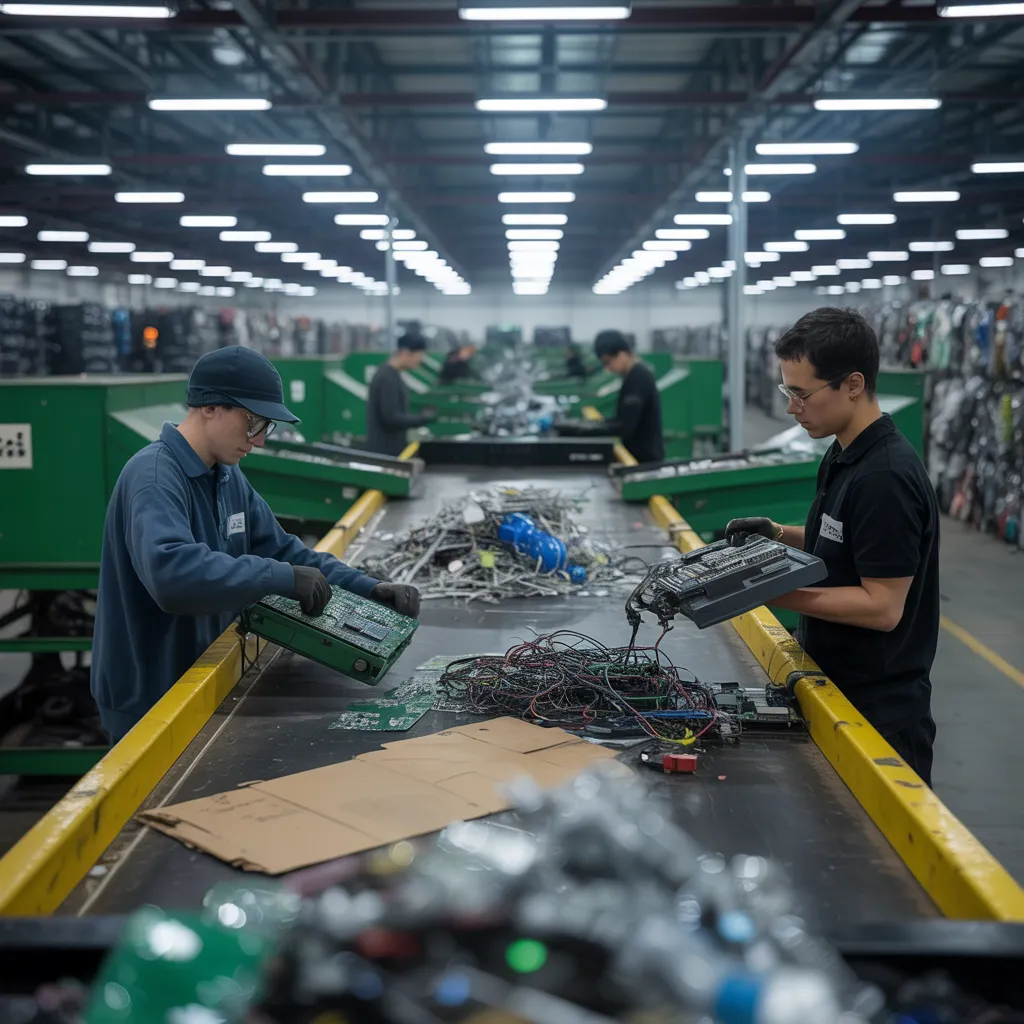
The Reasons E-Waste Is Damaging to the Planet
Although technology enhances our daily lives, e-waste creates considerable environmental hazards. Disposed electronic equipment, commonly laden with toxic substances including mercury, lead, and cadmium, may release harmful substances into groundwater and soil, presenting dangers to both wildlife and human well-being. The accelerating rate of technological innovation results in greater consumer replacement of electronic devices, exacerbating the accumulation of electronic waste.
Landfills, already strained by waste, are unable to keep up with the rising quantities of abandoned electronics. Incineration, a common waste management technique, emits dangerous pollutants into the environment, degrading atmospheric conditions. Furthermore, inadequate recycling methods can result in the shipment of electronic waste to underdeveloped nations, where workers may break down equipment without proper protective measures, putting themselves at risk of exposure to hazardous materials. This cycle of neglect and improper handling underscores the urgent need for sustainable recycling solutions that can mitigate the adverse effects of e-waste on the planet.
What Is E-Waste and Why Does It Matter?
E-waste, also referred to as electronic waste, comprises discarded electronic devices including smartphones, computers, and televisions that have exceeded their operational lifespan. This rapidly expanding waste category is noteworthy owing to its accelerating volume, propelled by advances in technology and evolving consumer behaviors. With an increasing number of devices reaching obsolescence, the environmental impact intensifies, with dangerous elements including lead, mercury, and cadmium posing risks to ecosystems and human health.
The importance of addressing e-waste lies not only in mitigating these hazards but also in recognizing the valuable materials it contains. Critical metals and rare earth components can be reclaimed and recycled, decreasing the reliance on mining and protecting natural resources. Through a deeper awareness of e-waste and its consequences, both individuals and organizations can make well-informed choices regarding disposal and recycling, thereby supporting a more sustainable future. Effective handling of e-waste is vital for encouraging a circular economy and advancing environmental responsibility.
The Way E-Waste Recycling Functions
Recycling e-waste involves a systematic process aimed at reclaiming useful resources while minimizing environmental impact. At the outset, electronic waste is gathered and delivered to dedicated processing centers. After reaching the facility, the devices undergo thorough sorting to separate hazardous components from recyclable materials.
Following this, employees take apart the electronics, extracting glass, metals, and plastics. This step is critical, as it facilitates the reclamation of precious metals like copper, gold, and silver, which may be utilized in new electronics.
Afterward, the divided materials are refined with advanced techniques, such as chemical treatments and shredding, to prepare them for repurposing.
Finally, the residual dangerous materials are managed properly, following eco-friendly standards. This systematic method not only conserves resources but also minimizes the hazards connected to irresponsible electronic waste disposal, guaranteeing a greener future for electronic consumption.
How E-Waste Recycling Benefits You and Your Community
Although it often goes unnoticed, the benefits of e-waste recycling reach well past personal use to meaningfully influence entire communities. By responsibly disposing of electronic waste, individuals contribute to a safer environment, reducing toxic components that can contaminate soil and water. This responsible method helps preserve local ecosystems and promotes public health.
Moreover, e-waste recycling promotes employment opportunities within local communities. Nearby recycling establishments regularly need employees for numerous tasks, including collection and processing, thereby providing employment opportunities for community members. This not only stimulates the local economy but also encourages community engagement in sustainable practices.
Additionally, familiarity with e-waste recycling is capable of inspiring awareness campaigns, equipping residents to pursue greener alternatives. By participating in e-waste recycling programs, individuals foster a culture of sustainability, encouraging others to follow suit. Ultimately, the combined impact of these actions can create a more robust and eco-friendly community.
A Guide to Selecting an E-Waste Recycling Service
Picking the most suitable electronic waste recycling provider is vital for guaranteeing that electronic waste is handled with responsibility and sustainability. To begin, people should check the provider's accreditations, such as e-Stewards or R2, which signify adherence to industry standards for safe recycling practices. It's also important to examine the provider's standing by reviewing feedback and looking for advice from dependable sources.
Next, clarity in the recycling process is essential. A reliable service should supply straightforward details about the manner in which e-waste is managed and what happens to the materials. Moreover, evaluating the range of services offered can be beneficial; some companies may provide pickup services or offer incentives for recycling.
Ultimately, understanding local guidelines related to e-waste disposal can help inform the choice of disposal method. By taking these elements into account, people are able to support responsible e-waste disposal as well as promoting eco-friendly habits.
How You Can Get Involved in E-Waste Recycling?
Getting involved with e-waste recycling often starts at the local level, where community recycling hubs frequently offer essential services for responsible disposal. Moreover, participating in community awareness campaigns can strengthen efforts to educate others about the importance of ethical e-waste practices. These actions not only promote sustainability but also foster a collective sense of stewardship of the environment.
Community Recycling Locations
Many community recycling facilities play an essential role in recycling electronic waste, providing communities with accessible options to handle electronic waste in a responsible manner. These hubs welcome a selection of electronic equipment, including aging computers, cell phones, and television sets, ensuring that harmful materials are handled safely. The majority of facilities employ knowledgeable personnel who are able to assist individuals with correct disposal techniques, underscoring the benefits of recycling compared to landfilling. Moreover, various hubs coordinate organized drop-off opportunities or appointed collection periods, making participation convenient for residents. Through the use of these community services, community members advance a circular economy, decreasing environmental damage and advancing sustainable approaches. Partnering with these facilities empowers communities to take action against e-waste pollution effectively.
Community Education Campaigns
Local organizations, schools, and businesses can work together to organize events that support e-waste collection drives. Community members can serve a critical function in raising awareness, sharing informational resources, and connecting with local residents. Through these collective efforts, residents become more informed and motivated to recycle their electronic waste, ultimately contributing to a more sustainable future.
Common Questions and Answers
What Kinds of Electronics Can Be Recycled?
Numerous electronics may be recycled, including smartphones, computers, laptops, televisions, printers, and gaming consoles. Additionally, peripherals such as mice, keyboards, and batteries Read the guide are equally appropriate for recycling, promoting efforts to conserve the environment.
Is There a Cost Associated With E-Waste Recycling?
That's correct, e-waste disposal may involve charges, depending on the provider. Some service centers charge fees for pickup or handling, while some providers offer free services, typically funded by the sale of reclaimed components.
How Do Businesses Gain From E-Waste Recycling?
Organizations can gain from e-waste recycling by minimizing disposal costs, enhancing their environmental image, adhering to regulatory requirements, extracting valuable resources, and potentially generating revenue through resale, thus supporting a greener and more sustainable operational framework.
What Becomes of Data on Recycled Devices?
Details on refurbished equipment is frequently permanently erased or destroyed throughout the recycling process. This guarantees confidential data remains secure, preventing unauthorized access while permitting resources to be recycled safely and responsibly in new products.
Are Broken Electronics Eligible for Recycling?
Yes, damaged electronics may be recycled. A wide range of facilities take in non-functioning devices, guaranteeing responsible disposal and recovery of recoverable materials. It helps decrease the environmental footprint while promoting eco-friendly recycling methods to manage electrical waste properly.